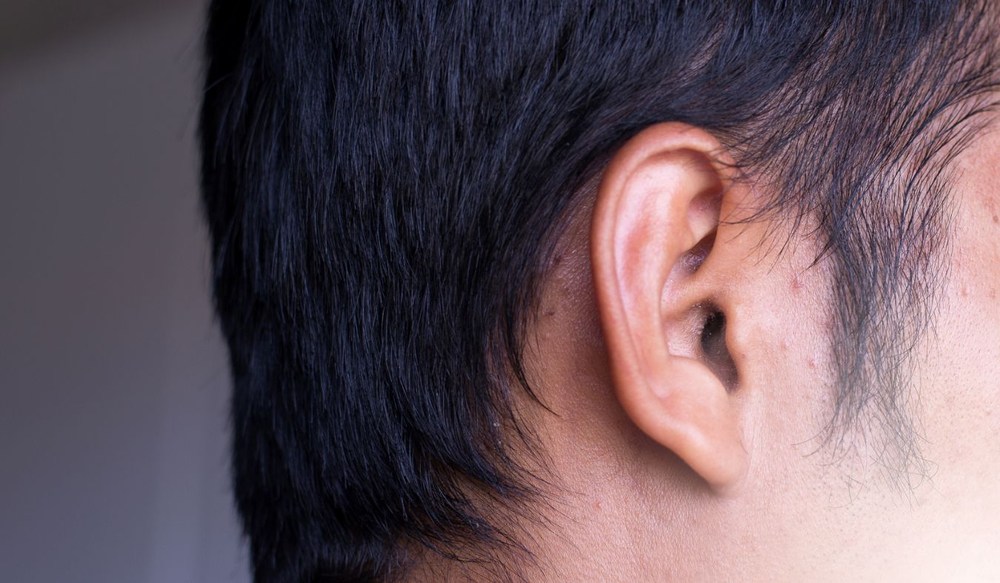
Many people may not realize that allergies can influence more than just the nose and sinuses. The ears, nose and throat are connected through a network of passages, so inflammation in one area often affects the others. This connection helps explain why seasonal allergies or sensitivities to environmental triggers can sometimes cause ear discomfort along with the more common sneezing and congestion.

When the immune system responds to allergens like pollen, dust or pet dander, inflammation can extend beyond the nasal passages. The same swelling that causes a blocked or runny nose can also impact the delicate structures in the ears, resulting in pressure, mild discomfort or temporary changes in hearing. Understanding how allergies can affect the ears can help you address symptoms more effectively and work with ear, nose and throat (ENT) specialists to manage the underlying causes.

Why Do Allergies Cause Ear Fullness or Pressure?

Allergies can cause a feeling of fullness or pressure in the ears because of their effect on the Eustachian tube, a small passage that connects the middle ear to the back of the throat. When allergens trigger inflammation, this tube can become swollen or blocked, preventing normal air flow and fluid drainage from the middle ear. The resulting pressure imbalance can make the ears feel stuffed or tight, even when there is no infection present.

In addition to swelling, mucus produced during an allergic reaction can build up and contribute to the sensation of fullness. This combination of fluid retention and blocked airflow can temporarily affect hearing and create discomfort that comes and goes depending on allergy severity. Recognizing that ear pressure may be linked to allergies helps you identify the cause and explore strategies, like managing inflammation or using nasal treatments, to relieve the symptoms.

Understanding the Eustachian Tube and Its Importance for Ear Health

The Eustachian tube is a narrow passage that connects the middle ear to the back of your nose and upper throat. Its main roles are:

  • Balancing air pressure on both sides of your eardrum.
  • Draining fluid from the middle ear.
  • Protecting the ear from germs and infections.

How Allergic Reactions Lead to Ear Fullness or Pressure

Allergic reactions can cause ear fullness or pressure by triggering inflammation in the nasal passages and Eustachian tubes, which connect the middle ear to the back of the throat. When these passages swell, air and fluid cannot move freely, creating a sense of blockage in the ears. This pressure imbalance can make sounds seem muffled and create a sensation of tightness or discomfort. Additionally, excess mucus produced during an allergic response can accumulate in the middle ear, intensifying the feeling of fullness.

How Fluid Buildup from Allergies Can Affect Hearing for a Short Time

Allergies can sometimes cause fluid to build up behind your eardrum, leading to temporary hearing changes. This happens because swelling from allergies can block the Eustachian tube and trap fluid in the middle ear. When this occurs, you might notice:

  • Sounds seem muffled or quieter than usual.
  • It feels like your ears are underwater.
  • You have trouble hearing soft noises.
  • Your ear feels full or heavy.

Recognizing Common Ear Symptoms Related to Seasonal Allergies

If your ears feel itchy, full or blocked during allergy season, you’re not alone. Seasonal allergies can cause symptoms like ear popping, mild hearing changes or a sense of pressure in your ears. These signs often appear when pollen counts are high or when you’re around other common allergens. Paying attention to these changes helps you stay on top of your ear health – catching symptoms early means you can take steps to feel better and keep enjoying the sounds around you.

Simple Ways to Limit Contact with Everyday Allergens

You can take simple steps to limit contact with everyday allergens and reduce allergy symptoms that affect your ears. Making a few changes at home and in your daily routine can make a real difference.

One common issue is pollen or dust getting tracked indoors. These allergens can stick to shoes, clothes or even pets. Try removing your shoes at the door and changing clothes after spending time outside. Washing bedding often in hot water and using an air purifier can also lower the amount of allergens in your home. These habits are simple but effective ways to keep your living space more comfortable during allergy season.

Helpful Tips for Managing Allergy Symptoms and Protecting Your Ears

Managing allergy symptoms helps protect your ears and keeps you feeling your best. A few simple steps each day can make a big difference during allergy season.

Keep windows closed on high pollen days and use air conditioning if possible. Wash your hands and face after being outside, stay hydrated and follow your ear, nose and throat specialists’ advice about allergy medications. If you notice ear discomfort or changes in hearing that do not go away, talk with your ENT doctor, as they will be able to find the right solutions for you.

Taking Steps Toward Better Ear Health During Allergy Season

Understanding how allergies affect your ears can help you take better care of your hearing during allergy season. Swelling, fluid buildup and pressure in the ears are common responses to allergens, but these symptoms don’t have to disrupt your daily life. By noticing changes in your ears and managing allergy triggers, you can reduce discomfort and protect your hearing.

If ear fullness or mild hearing changes continue even after trying home remedies or allergy treatments, schedule an appointment with an ear, nose and throat specialist. Getting professional advice can help you find relief from ongoing symptoms and keep your ears healthy throughout the year. Taking action early helps ensure allergies don’t get in the way of clear and comfortable hearing.