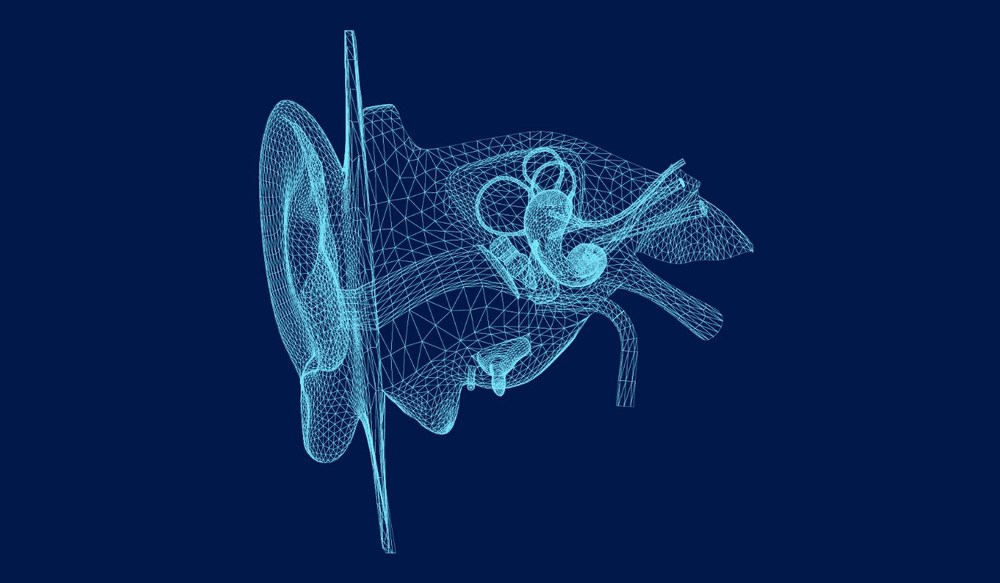
Severe hearing loss affects millions of people and can influence daily communication, work and overall quality of life. When hearing aids and other non-surgical options do not provide sufficient benefit, ear, nose and throat (ENT) specialists can offer several surgical solutions designed to improve hearing. Advances in surgical techniques and technology have made these procedures more precise and effective over time.

Surgical treatments for severe hearing loss include a range of implant and reconstructive options that aim to enhance hearing function. Each approach is tailored to the patient’s type and degree of hearing loss, overall health and individual goals. Understanding the available procedures can help patients make informed decisions about their care and consider how surgery might improve their ability to hear in everyday situations.

How Severe Hearing Loss Can Affect Daily Life

Severe hearing loss can make everyday communication more difficult, affecting interactions in different settings. Conversations may require repeated clarification, and group discussions can become particularly challenging. Even simple tasks, like answering phone calls, hearing doorbells or catching announcements in public spaces, can require extra effort or alternative strategies. Over time, these challenges can make daily life more tiring, as the brain works harder to fill in missing sounds.

Beyond communication, severe hearing loss can influence emotional and social well-being. People may feel less confident speaking up in meetings or participating in group activities, and they might avoid social situations where understanding others is difficult. These changes can create a sense of isolation and make it harder to maintain relationships, even with close family and friends. Recognizing the impact of severe hearing loss on daily life highlights the importance of exploring treatment options and support strategies to maintain connections and independence.

When Hearing Aids Are No Longer Enough

For some people with severe hearing loss, hearing aids and other non-surgical treatments may no longer provide enough support for clear communication. Even with the most advanced devices, certain types or degrees of hearing loss can make it difficult to follow conversations, enjoy music or stay aware of environmental sounds. When traditional methods are not enough, it may be necessary to explore additional approaches to improve hearing and maintain daily functioning. Understanding when hearing aids are no longer sufficient can help individuals and their ENT specialists plan the next steps for preserving their hearing and quality of life.

Surgical Choices for Treating Severe Hearing Loss

Surgical options for severe hearing loss include procedures like cochlear implants, bone-anchored hearing systems and middle ear reconstructive surgeries. Each choice targets different types of hearing loss and is selected based on the patient’s needs and overall health. Cochlear implants are designed for those who receive limited benefit from traditional hearing aids, while bone-anchored systems help transmit sound through bone conduction. Middle ear surgeries focus on repairing or reconstructing structures within the ear to improve hearing. An ear, nose and throat specialist can guide you in choosing the most suitable option and explain what to expect from the procedure.

How Cochlear Implants Work and Who They Help

Cochlear implants send sound signals directly to the hearing nerve, bypassing damaged parts of the inner ear. They can help people with severe hearing loss who do not get enough benefit from regular hearing aids. If you think this might be right for you, ask your ENT doctor if a cochlear implant could help improve your ability to hear and connect with others.

Bone-Anchored Hearing Systems as a Solution

Bone-anchored hearing systems are another surgical option, especially if your severe hearing loss is caused by problems in your outer or middle ear. These devices send sound vibrations through the bone to your inner ear, making sounds clearer and easier to understand.

People who have had repeated ear infections or were born with certain ear differences may benefit from this type of system. Bone-anchored hearing systems can also help those who are deaf in one ear hear better on their weaker side, known as single-sided deafness.

When Middle Ear Implants May Be Right for You

Middle ear implants may be suggested if you have severe hearing loss and cannot use traditional hearing aids or other devices because of problems with your ear canal or middle ear. These implants are designed for people who need another way to improve their hearing, especially if you have chronic ear infections, narrow ear canals or allergies to materials in regular hearing aids. Your ENT doctor can help decide if this is the right option for you so you can feel comfortable about your next steps.

Preparing to Talk About Surgery with Your ENT Doctor

Before meeting with your ENT doctor to discuss surgical options for hearing loss, it can be helpful to prepare by gathering information about your hearing history. Take note of when your hearing difficulties began, how they have progressed and which situations cause the most trouble. Writing down questions about potential benefits, risks, recovery times and long-term outcomes can make the conversation more productive. Bringing along any recent hearing test results or records as they can also give your ENT doctor a clearer picture of your current hearing status.

It’s important to think about your daily life and how hearing challenges affect it when discussing surgery. Consider your work environment, social interactions and hobbies, and be ready to explain which situations are most difficult. Being open about your goals and expectations will help your ENT specialist provide recommendations that align with your needs. Preparing in this way ensures the appointment is focused, informative and allows you to make decisions that are best for your overall hearing health.

Moving Forward with Your Hearing Treatment Choices

If you have severe hearing loss and traditional hearing aids are no longer enough, ENT surgical options may be worth exploring. Learning about treatments like cochlear implants, bone-anchored hearing systems or middle ear implants can help you understand what choices may fit your needs. Each option has its own benefits and recovery process, so having clear information makes it easier to decide what is right for you.

Talking with your ENT doctor is the best way to find out which surgical solution might work for your situation. Bring any questions or concerns to your appointment so you feel confident about the path forward. Taking this step can help improve how well you hear and connect with others in daily life.