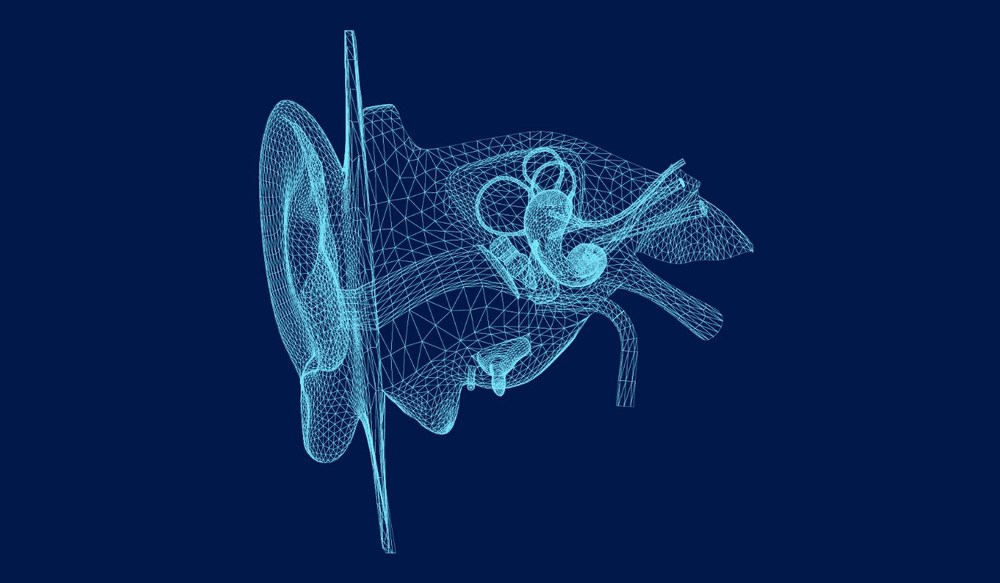
Your ears are important for both hearing and balance, working steadily to process sounds while protecting the sensitive parts inside. Earwax, or cerumen, is the body’s natural method of keeping the ears clean and functioning well. It helps trap dust, debris and bacteria before they can travel further into the ear canal, while also adding moisture to reduce dryness and irritation.

Although earwax is helpful, it can sometimes build up more quickly than the ear can naturally remove it. This may cause changes in hearing or create a blocked feeling in the ear. Knowing how to manage earwax buildup safely is a practical way to support overall ear health and recognize when it may be time to consult an ear, nose and throat (ENT) specialist. There are reliable methods available to handle this issue effectively when needed.

Why Earwax is Important for Keeping Your Ears Healthy

Earwax plays an important role in keeping your ears healthy by acting as a natural shield for the ear canal. It helps trap dust, dirt and small particles that could otherwise reach and irritate the inner ear. At the same time, it has protective properties that protect against bacteria and keep the skin inside the ear from becoming too dry or irritated. By maintaining this balance, earwax supports both comfort and overall ear health without requiring much effort on your part.

Everyday Reasons that Lead to Earwax Buildup

Earwax can build up for reasons that are often tied to daily routines rather than medical problems. For instance, wearing items that sit inside the ear, like earbuds, hearing aids or protective plugs, can keep wax from moving outward as it normally would. Even regular cleaning habits, like using cotton swabs, sometimes make things worse by pushing wax deeper instead of removing it. These small, everyday actions often explain why buildup happens over time.

Environment and body differences also influence how much wax collects. People who spend a lot of time around dust or other particles may notice that their ears produce more wax as a natural shield. Age can make a difference too, since wax tends to become drier and harder to clear as people get older. Everyone’s ears work a little differently, so the reasons for buildup can vary, but most come down to the ordinary conditions of daily life.

How to Tell If You Have too Much Earwax

You can usually tell if earwax has built up too much when it starts to affect the way your ears feel or function. A common sign is a sense of fullness or blockage, almost like your ear is plugged. Some people may notice muffled hearing, ringing sounds or even mild discomfort. In certain cases, earwax can also cause itching or slight dizziness if it presses against the ear canal. Paying attention to these changes can help you know when it may be time to have your ears checked by an ear, nose and throat specialist.

How Age Can Affect Earwax Buildup

As people age, changes in the body can make earwax buildup more likely. The wax may become drier or harder, making it more difficult for the ear to clear it out naturally. Older adults who use hearing aids or other devices may also notice more frequent buildup. Regular check-ins with an ear, nose and throat specialist can help manage these changes and keep your ears comfortable.

The Role of Hearing Devices in Earwax Management

Hearing aids and other devices worn in the ear can sometimes increase earwax buildup by blocking the natural movement of wax out of the ear canal. If you use hearing aids, it’s important to clean them regularly and watch for signs of wax buildup. An ENT doctor can show you how to care for your devices and help prevent problems caused by extra wax.

Simple and Safe Ways to Manage Earwax at Home

There are a few gentle ways to manage earwax at home that can help your ears stay clear without causing irritation. Eardrops available at most drugstores are designed to soften wax, allowing it to work its way out more easily. Letting warm water run over the outer ear while showering can also help loosen small amounts of buildup without forcing it deeper. These simple approaches often support the ear’s natural process and can be used as part of regular care when needed.

It’s also important to know what not to do when dealing with earwax. Using cotton swabs or inserting objects into the ear canal can push wax further in, making the problem worse. A safer approach is to wipe the outside of your ear gently with a washcloth and let your ears handle the rest naturally. If home care doesn’t ease a blocked or clogged feeling, it’s usually a sign to let a professional step in for safe removal.

Knowing When it is Time to Visit an Ear, Nose and Throat Specialist

If home care hasn’t helped and you still notice problems, it may be time to see an ear, nose and throat specialist if you experience:

  • Ongoing pain or discomfort in your ear.
  • Drainage or fluid coming from the ear.
  • Sudden or severe hearing loss.
  • A feeling of fullness that does not go away.
  • Trouble hearing even after using drops or softening treatments.

What Happens During a Professional Earwax Removal Appointment

During a professional earwax removal appointment, an ear, nose and throat doctor uses safe tools and techniques to clear out buildup without harming the ear canal. They may start by looking inside your ear with a special light to see how much wax is present and where it is located. Depending on your needs, they might use gentle suction, a small curved instrument or warm water irrigation to remove the blockage. The process is usually quick, though you may feel some pressure or slight movement in your ear while it’s being cleaned. By the end of the appointment, most people notice clearer hearing and a more comfortable feeling in their ears.

Keeping Your Ears Healthy with Safe Earwax Care

Managing earwax buildup helps keep your ears healthy and supports clear hearing. Safe habits at home can prevent problems before they start. If blocked ears, discomfort or trouble hearing don’t improve with simple care, getting help from a ENT doctor is the next step. Regular visits and asking questions about ear care can help protect your hearing and keep your ears comfortable. If you want to learn more about earwax buildup, schedule an appointment with an ear, nose and throat specialist.