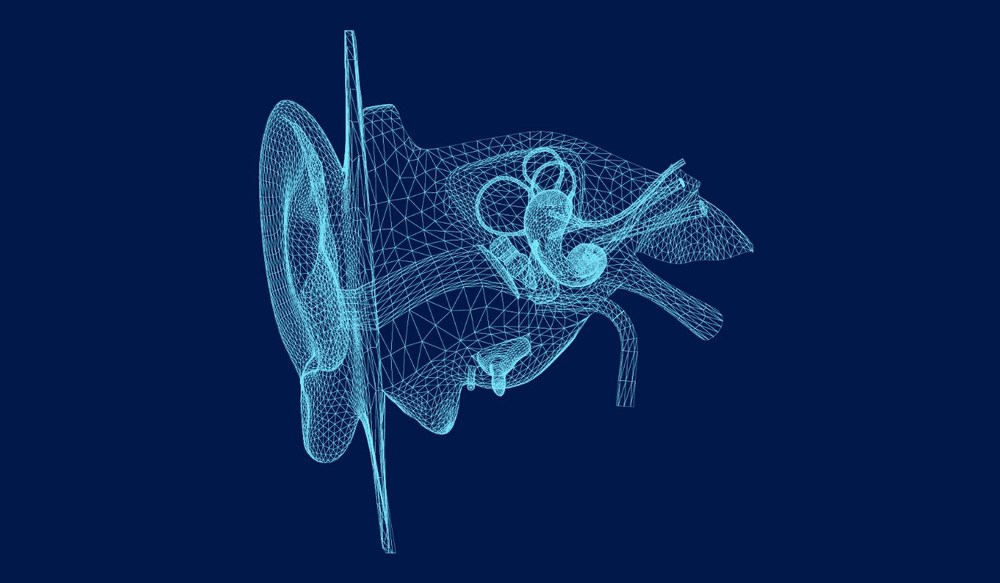
Chronic ear infections can be a recurring concern, particularly for those who experience them more frequently. While occasional ear infections are common, chronic infections may require ongoing attention to maintain ear health. Effectively managing these infections involves understanding their causes, recognizing symptoms and exploring appropriate treatment options. Ear, nose and throat (ENT) doctors are trained to find out why these infections keep returning. Their expertise helps them create plans to ease symptoms and prevent future problems. Knowing how ENTs approach chronic ear infections can help you feel more confident about your care.

What Often Leads to Chronic Ear Infections

Chronic ear infections often result from repeated blockages or fluid buildup in the middle ear. The Eustachian tubes, which help equalize pressure and drain fluid from the ear, may not function properly in some individuals, leading to frequent infections. Allergies, sinus issues and upper respiratory infections can also contribute by causing inflammation or congestion that affects the ear. In children, smaller or underdeveloped Eustachian tubes make them more prone to recurring ear problems.

Other factors that can contribute to chronic ear infections include environmental influences, like exposure to secondhand smoke and underlying health conditions that affect the immune system. Structural differences in the ear, like narrow ear canals or a history of previous infections, can make it easier for bacteria or viruses to cause repeated problems. Understanding the factors that increase the likelihood of chronic ear infections can help guide prevention strategies and inform treatment decisions with an ear, nose and throat specialist.

Key Signs and Symptoms You Should Notice

Chronic ear infections often show themselves through signs that go beyond the occasional discomfort of a single infection. People may notice ongoing ear fullness, mild to moderate pain that comes and goes or repeated fluid buildup behind the eardrum. Hearing changes are also common, and someone might feel like sounds are muffled or harder to understand, especially during conversations. These patterns can develop gradually, making it important to pay attention if symptoms don’t fully clear up between infections.

Other symptoms may include frequent drainage from the ear, a lingering sense of pressure or balance issues that seem tied to ear problems. Children with chronic ear infections might show signs through irritability, frequent tugging at the ear or delays in responding to sounds. Because symptoms can vary, recognizing these ongoing changes helps in seeking care at the right time. Keeping track of when and how often these signs appear can give both patients and doctors valuable information for finding effective ways to manage and prevent repeated infections.

Common Tests and Exams for Chronic Ear Infections

When chronic ear infections are suspected, doctors often rely on several tests to better understand what is happening inside the ear. A physical exam using an otoscope allows an ENT doctor to look closely at the eardrum for signs of infection or fluid buildup. Hearing tests may also be recommended to check if repeated infections are affecting sound clarity or volume. In some cases, tympanometry is used to measure how the eardrum responds to changes in air pressure, which can reveal if fluid is trapped behind it. Imaging tests may be suggested for ongoing or complex cases to get a clearer view of the ear’s structure.

Why Medical History and Physical Exams Matter

Sharing your medical history and having a physical exam are important steps when dealing with chronic ear infections. These steps help your ENT specialist understand what you’ve experienced before and spot any patterns that could affect your care. Other health issues like allergies or sinus problems can also play a role in repeated ear infections. By looking at your overall health and doing a careful exam, the doctor can find connections that might not be obvious at first.

Imaging and Tests ENTs Use for Accurate Diagnosis

If symptoms aren’t improving or the cause of chronic ear infections isn’t clear, ENT doctors may order imaging tests like a CT scan or MRI to get a closer look at the structures inside your ear. You can help by sharing any changes in your symptoms and following instructions before these tests to make sure the results are accurate.

Treatment Choices for Long-Lasting Ear Infections

When chronic ear infections don’t get better with basic treatments, ENT doctors may suggest other options. These choices depend on what’s causing the infection and how often it happens.

Some people may need prescription eardrops or antibiotics, while others might benefit from minor procedures like placing small tubes in the eardrum to drain fluid and prevent new infections. Your ENT doctor will discuss which treatment is most likely to help based on your symptoms and test results.

Ways to Lower Your Risk of Future Ear Infections

There are simple steps you can take to help lower your risk of more ear infections. Keeping your ears dry, avoiding cigarette smoke and washing your hands often can make a difference. If you have allergies or sinus problems, treating those issues may also help prevent ear infections from returning. For children, staying up to date on vaccines like the flu shot and pneumococcal vaccine can provide extra protection against common germs that cause ear infections.

The Importance of Follow-Up Visits

After starting treatment for a chronic ear infection, follow-up visits with your ENT specialist help track your progress. These visits let your ear, nose and throat doctor check if the infection is improving and watch for any new issues. If symptoms return or don’t get better, your ENT specialist may adjust your treatment or suggest more tests. Keeping up with follow-up appointments helps protect your hearing and prevent long-term problems.

What to Know About Chronic Ear Infections and ENT Care

Chronic ear infections can be difficult to manage, but understanding how ENT doctors address them gives you more confidence in your care. With careful exams, targeted tests and a range of treatment options, ENTs work to find the cause of repeated infections and help you get lasting relief. Taking steps at home to manage risk factors can also help prevent future problems.

If you or someone in your family is dealing with ongoing ear pain or repeated infections, scheduling an appointment with an ear, nose and throat specialist can help protect your hearing and improve daily comfort. Knowing your options and acting when symptoms don’t go away is an important part of keeping your ears healthy.