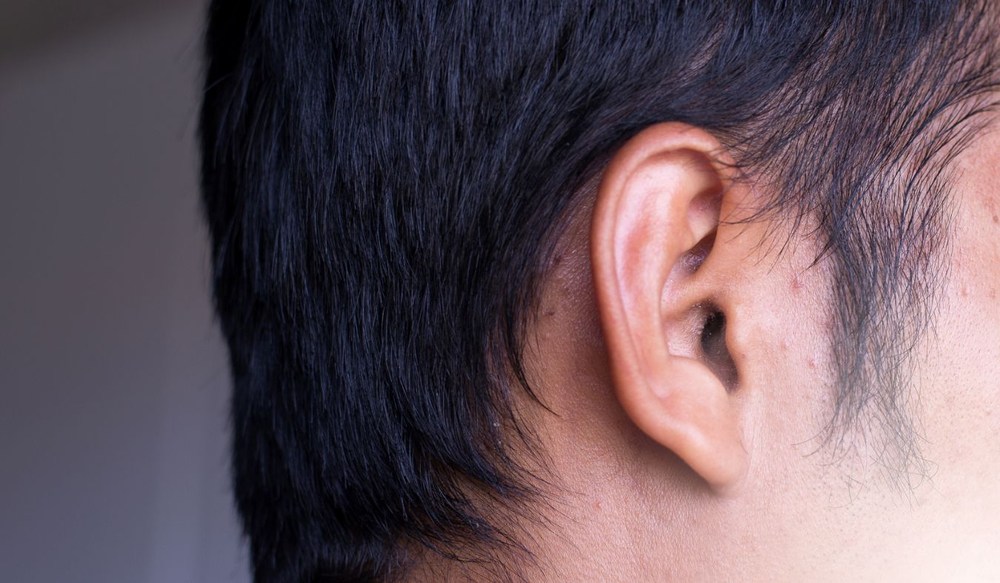
Have you ever considered how your daily food choices might influence your hearing? The foods you choose each day affect how well blood circulates, including to the inner ear, which depends on a consistent supply of oxygen and nutrients to function properly.

When your diet supports healthy circulation, the small structures involved in hearing can work as they should. On the other hand, eating habits that limit blood flow or reduce overall energy can make it harder for the body to manage age-related changes and daily noise exposure.

Understanding this link between diet and hearing can help guide practical choices that support ear health over time.

How Nutrients Support the Ears and Hearing

Certain nutrients play an important role in how well the ears function because they help protect the structures that allow you to hear.

Vitamins and minerals that support healthy circulation make it easier for oxygen and nutrients to reach the inner ear, which depends on a steady supply to stay responsive. Antioxidants also help limit the effects of everyday stress on the ears, including exposure to noise or changes related to aging.

Poor circulation, oxidative stress or general inflammation can interfere with how sound signals are processed, which may gradually affect clarity and sensitivity.

Over time, these issues can contribute to a higher risk of hearing loss, especially when combined with noise exposure or other health conditions. Paying attention to how your diet supports these important nutrients can help maintain the strength and reliability of your hearing as you get older.

How Low Iron Can Impact Hearing

Low iron levels can influence hearing because iron helps carry oxygen to the cells that support how you listen and process sound. When iron is too low, the body may struggle to deliver enough oxygen to the ears, which can affect how well they function over time.

Some people with low iron notice changes in sound clarity or feel more sensitive to everyday noise. If iron levels stay low for long periods, the ears may become at risk to long-term hearing problems. Paying attention to iron intake can be an important part of supporting overall hearing health.

How High Blood Pressure Can Affect Your Hearing

High blood pressure can affect hearing by changing how blood moves through the small vessels that support the inner ear. These vessels can become strained when pressure stays high, which may make circulation less steady than usual.

As a result, some people notice that certain sounds are harder to pick up or that conversations feel less clear. These changes tend to build gradually and may not be obvious at first.

Over time, ongoing high blood pressure can lead to shifts in how stable hearing feels from day to day. Some individuals experience brief periods of muffled sound, ringing or a pulsing sensation that aligns with their heartbeat.

These symptoms can vary and may come and go depending on overall health and daily stress. Keeping blood pressure under control can help support better hearing and reduce the strain placed on the ears.

Foods Linked to a Higher Risk of Hearing Loss

Certain foods may raise the risk of hearing loss over time because they can affect circulation, inflammation and overall health. Diets high in processed sugars, excessive sodium and saturated fats can make it harder for blood to move efficiently through the small vessels that support the ears.

This can limit the steady flow of oxygen and nutrients the inner ear relies on. Frequent intake of heavily processed snacks, fast food and sugary drinks may also contribute to conditions like high blood pressure or poor metabolic health, which can place additional strain on hearing.

Paying attention to these eating patterns can help reduce long-term stress on the ears and support better hearing as you age.

Ways Antioxidants Can Help Protect Your Hearing

Antioxidants help reduce damage from free radicals in your ear cells. These harmful molecules can build up due to loud noise, aging or certain health issues.

Increasing antioxidants in your diet may support hearing by:

  • Limiting cell damage inside the ear.
  • Reducing inflammation that can affect hearing.
  • Supporting better blood flow to the inner ear.

Everyday Eating Habits That Support Better Hearing

Simple changes to your daily meals can help support better hearing. Eating regular meals with a mix of fruits, vegetables, whole grains and lean proteins provides your ears with important nutrients.

Choosing foods low in salt and added sugars also supports ear health. Being mindful of these habits may help you protect your hearing as you age and improve your overall wellness.

Practical Tips for Choosing Foods That Benefit Ear Health

Making healthy food choices for your ears does not have to be complicated. Paying attention to what you put on your plate each day supports your hearing now and in the future.

Here are some practical tips:

  • Choose a variety of colorful fruits and vegetables for vitamins and antioxidants.
  • Pick whole grains like brown rice or whole wheat bread instead of refined grains.
  • Include lean proteins like fish, chicken, beans or tofu.
  • Limit salty snacks and processed foods that can affect blood flow to the ears.
  • Drink enough water throughout the day to stay hydrated.

Healthy Eating Choices Can Support Your Hearing for Life

The choices you make at mealtime play an important role in caring for your hearing. A balanced diet filled with vitamins, minerals and antioxidants helps protect your ears as you age. Even small adjustments, like adding more fruits and vegetables or staying hydrated, can have a positive effect on your hearing over time.

If you have questions about how nutrition may be affecting your hearing or notice changes in how well you hear, schedule an appointment with an audiologist. They can guide you on steps to maintain healthy ears and answer any concerns about diet and hearing loss. Taking care of your nutrition today can help keep your hearing strong for years to come.